
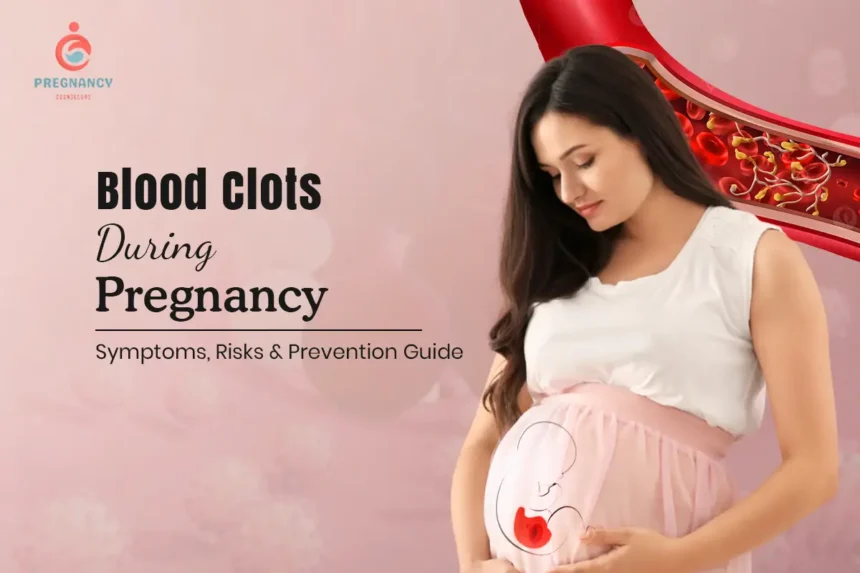
Blood clots during pregnancy can feel scary, especially when you’re already navigating so many physical and emotional changes. The good news is that while blood clots are serious, they are rare, and most pregnant women never experience them. Still, understanding the symptoms, causes, risks, and preventive steps can help you stay safe and confident throughout your pregnancy.
In this updated, human-friendly guide, we explain everything you need to know about blood clots during pregnancy and how you can protect yourself.
What Are Blood Clots?
A blood clot forms when certain cells in your blood, called platelets, stick together to stop bleeding. This is the body’s natural way of healing cuts or injuries. During pregnancy, your body increases its clotting ability to protect you from losing too much blood during labor. While this is normal, it also slightly increases the chances of developing deep vein thrombosis (DVT) a condition where blood clots form in the deep veins of the legs or pelvic area.
DVT affects only 1–2 pregnant women out of every 1,000, so the risk is low, but awareness is key.
Causes of Blood Clots During Pregnancy
Pregnancy itself changes your blood flow and hormone levels, which can contribute to clot formation. However, certain factors increase the risk even more.
You may be at higher risk of a blood clot during pregnancy if:
- You or a close relative has had DVT before
- You are over 35 years old
- You smoke or are exposed to smoke
- You are overweight
- You travel long distances without movement
- You are expecting twins or multiples
- You are sedentary for long periods
- You had or will have a C-section
Most women experience blood clots in the first trimester or the first six weeks postpartum. Knowing your risk level helps you take the right precautions.
Symptoms of Blood Clots
Pregnancy brings many new sensations, so it can be hard to know what is normal and what needs attention. However, DVT symptoms are usually noticeable and affect just one leg.
Look out for:
- Swelling or pain in one leg
- Pain that worsens when you walk
- Warmth, redness, or tender areas
- Bulging veins larger than usual
If you experience these symptoms, contact your healthcare provider immediately.
Risks of Blood Clots During Pregnancy
While DVT itself is treatable, ignoring it can lead to serious complications.
Possible risks include:
- Blood clots reaching the placenta and affecting your baby
- Heart attack
- Stroke
- Pulmonary embolism (PE), where a clot travels to the lungs
- Miscarriage (only in severe cases)
Pulmonary embolism is the most serious risk and requires emergency treatment. Thankfully, early detection keeps you and your baby safe.
Prevention: How to Reduce Your Risk of DVT
Most cases of blood clots can be prevented through simple lifestyle changes. Here’s what doctors recommend:
1. Stay Active
Movement keeps your blood flowing. Ask your healthcare provider what exercises are safe for you—walking, prenatal yoga, and light stretching are usually great options.
2. Avoid Sitting for Too Long
If you work at a desk or travel, take breaks every hour to stand or walk.
3. Eat a Healthy, Balanced Diet
Good nutrition supports healthy blood circulation and reduces excess weight.
4. Stop Smoking Immediately
Smoking greatly increases the risk of clots, so quitting during pregnancy is critical.
5. Stay Hydrated
Proper hydration supports smooth blood flow.
6. Use Compression Stockings if Recommended
They help improve blood circulation in the legs.
Treatment for Blood Clots
If your doctor confirms DVT, the most common treatment is anticoagulant medication, also known as a blood thinner. These medicines prevent your blood from clotting more and help dissolve existing clots.
During pregnancy, doctors avoid medications harmful to the baby, so treatment is carefully monitored and safe.
Final Thoughts
Blood clots during pregnancy may sound intimidating, but remember they are rare, treatable, and often preventable. Staying active, knowing your risk factors, and paying attention to symptoms can keep you and your baby safe. And as always, your healthcare provider is your best partner in navigating any pregnancy concerns.