
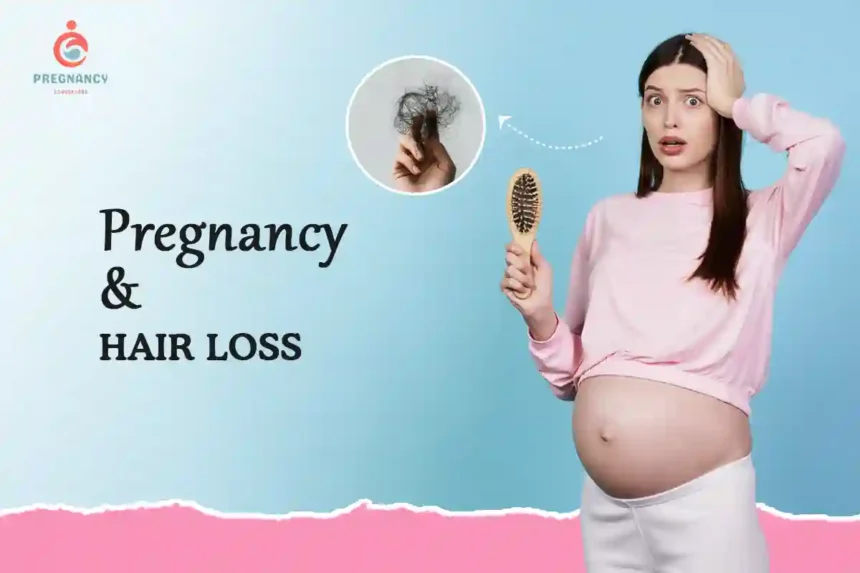
Pregnancy is a life-changing phase that brings excitement, emotional changes, and many physical transformations. While most women expect symptoms like nausea, fatigue, or weight gain, hair changes during pregnancy often come as a surprise. Some women enjoy thick, shiny hair, while others experience unexpected Pregnancy and Hair Loss, leading to stress and confusion. Understanding why hair loss happens during pregnancy, whether it is normal, and how to manage it safely can help you feel more confident and relaxed during this special journey.
Understanding Hair Changes During Pregnancy
Hair growth follows a natural cycle that includes growth (anagen), rest (telogen), and shedding phases. During pregnancy, hormonal changes especially increased estrogen can disrupt this cycle. In many women, higher estrogen levels slow down hair shedding, making hair look fuller and healthier. However, this is not universal. Some women may notice increased hair fall, thinning, or dryness, especially during the first trimester.
Every Pregnancy and Hair Loss is different, and hair response depends on hormones, nutrition, stress levels, genetics, and overall health.
Common Causes of Hair Loss During Pregnancy
One of the main reasons for hair loss in pregnancy is hormonal fluctuation. In early pregnancy, the body undergoes rapid changes as it adjusts to support the growing baby. This sudden shift can temporarily push more hair into the resting phase, leading to shedding.
Another major factor is nutritional deficiency. Pregnancy increases the body’s demand for nutrients like iron, protein, zinc, biotin, and folic acid. If these nutrients are not adequately supplied through diet or supplements, hair follicles may weaken, causing hair fall.
Stress and fatigue also play an important role. Physical discomfort, sleep disturbances, anxiety about pregnancy, and lifestyle changes can trigger a condition called telogen effluvium, where hair shedding increases temporarily.
In some cases, thyroid imbalances, which are more common during pregnancy, can also contribute to hair loss. Conditions like hypothyroidism may cause thinning hair along with other symptoms such as weight changes and tiredness.
Is Hair Loss During Pregnancy Normal?
Yes, mild to moderate hair loss during pregnancy is usually normal and temporary. It does not mean something is wrong with your baby or your health. However, excessive hair fall, visible bald patches, or sudden thinning should not be ignored. These could indicate nutritional deficiencies or underlying medical conditions that need attention.
It’s important to remember that hair loss during pregnancy is often reversible, especially when the root cause is identified and managed early.
Pregnancy vs Postpartum Hair Loss
Many women confuse pregnancy hair loss with postpartum hair loss. While hair loss can occur during pregnancy, it is more common after delivery. After childbirth, estrogen levels drop sharply, causing the hair that stayed in the growth phase to shed all at once. This usually happens 2–4 months after delivery and can feel alarming, but it is a normal process.
Postpartum hair loss generally resolves within 6–12 months as hormones stabilize.
Myths About Pregnancy and Hair Loss
A common myth is that hair loss during pregnancy means the baby is not healthy. This is completely false. Hair changes are related to the mother’s body, not the baby’s development.
Another myth is that cutting hair during pregnancy increases hair fall. In reality, trimming hair does not affect hair roots or growth cycles. It may actually help hair look healthier by reducing split ends.
Some also believe that hair loss means you are not taking care of yourself properly. While nutrition and care matter, hormonal changes alone can cause hair fall even in women who follow a healthy lifestyle.
Natural and Safe Ways to Manage Hair Loss During Pregnancy
The best way to manage pregnancy hair loss is to focus on overall health and gentle care rather than aggressive treatments.
A balanced pregnancy diet is essential. Include iron-rich foods like leafy greens, dates, lentils, and beans. Protein from eggs, dairy, nuts, and legumes supports hair structure. Omega-3 fatty acids, found in walnuts and flaxseeds, help nourish the scalp.
Always take prenatal vitamins as prescribed by your doctor. These are designed to meet the increased nutritional needs of pregnancy and can help reduce hair fall caused by deficiencies.
Be gentle with your hair. Avoid tight hairstyles, excessive brushing, heat styling, and harsh chemical treatments. Use mild, sulfate-free shampoos and conditioners suitable for sensitive scalps.
Regular oil massage with coconut oil, almond oil, or a mix of oils can improve blood circulation to the scalp and reduce dryness. However, massages should be gentle and relaxing, not aggressive.
Managing stress is equally important. Simple practices like deep breathing, prenatal yoga, short walks, and adequate rest can positively impact both hair health and overall well-being.
When to Consult a Doctor
You should consult a doctor if hair loss is severe, sudden, or accompanied by other symptoms such as extreme fatigue, dizziness, pale skin, or mood changes. A healthcare provider may check iron levels, thyroid function, or other markers to rule out medical causes.
Never use hair loss medications or supplements without medical advice during pregnancy, as some products may not be safe for the baby.
Final Thoughts
Hair loss during pregnancy can be emotionally challenging, but it is usually temporary and manageable. Understanding the reasons behind it helps reduce fear and stress. With proper nutrition, gentle hair care, and medical guidance when needed, most women see improvement over time.
Remember, pregnancy is a phase of transformation. Your body is working hard to create new life, and changes including hair changes are part of that journey. Be patient with yourself, focus on your health, and trust that your body will gradually return to balance.